With less than 60 days until the opening match of the 2026 World Cup, FIFA has quietly released a new batch of tickets for all 104 games, including the final at MetLife Stadium in New Jersey. The move comes just three weeks after what was promoted as the final sales phase, signaling that demand may not be matching the organization's optimistic projections.
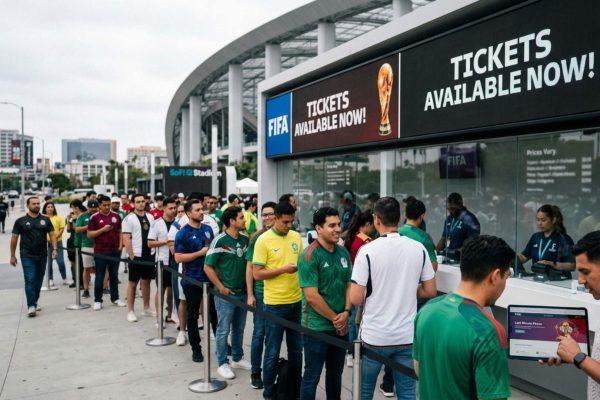
Starting at 8:00 a.m. PDT this Wednesday, fans can purchase tickets on a first-come, first-served basis through FIFA's official portal. This continuous sales system will remain active until the tournament ends, a strategy that industry experts interpret as an attempt to clear remaining inventory, especially in the higher price brackets that have proven to be a tough sell.
High Prices and Unsold Seats
Despite FIFA's claim of over five million tickets sold—surpassing the 1994 record—reports from outlets like The Athletic reveal that high-profile matches, such as the United States vs. Paraguay at SoFi Stadium in Los Angeles, still have nearly 30,000 unsold seats. The most expensive tickets for these games range between $1,940 and $2,370, prices that have deterred even the most loyal fans. This echoes the struggles of last year's Club World Cup, where organizers were forced to slash prices after disappointing attendance.
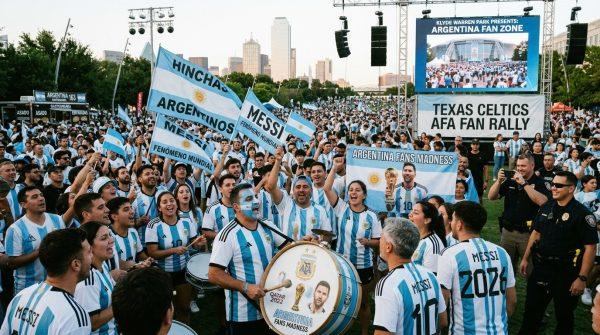
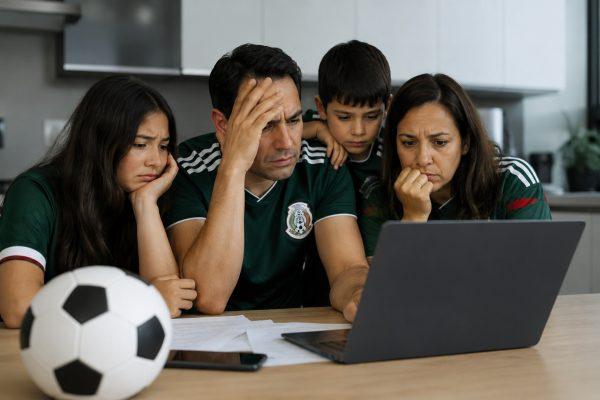
For many Latino fans across the Americas, these costs are prohibitive. A family from Bogotá or Buenos Aires would face not only ticket prices but also airfare, accommodation, and other expenses that make attending a match a significant financial burden. The lack of transparency around final prices and potential last-minute discounts keeps many potential buyers waiting, hoping for a markdown similar to what happened during the Club World Cup.
Visa Restrictions and Logistical Hurdles
Beyond the economic barrier, international fans face bureaucratic challenges that complicate travel. FIFA has had to issue warnings clarifying that owning a ticket does not guarantee entry into the three host countries—the United States, Canada, and Mexico. The U.S. government has suspended visa issuance for citizens of 39 participating nations, and some visitors may be required to post bonds of up to $15,000. These restrictions threaten to leave seats of international followers empty, putting pressure on local markets to absorb the remaining inventory.
For Latino fans from countries like Colombia, Argentina, or Mexico, these hurdles are particularly acute. Many rely on family networks in the U.S. or Canada to facilitate travel, but the uncertainty around visa approvals and costs may keep them away. This is a missed opportunity for the tournament to celebrate the diversity of the Americas, especially given that the 2026 World Cup will be the first to feature matches in three countries, including Mexico City, a city with deep football traditions.
FIFA's Defense and the Attendance Record
FIFA President Gianni Infantino has defended the organization, stating that interest remains robust and that press-cited figures do not reflect current reality. He highlighted that the 1994 historical record has already been surpassed with over five million tickets sold. However, the fact that availability remains for more than a third of the group stage matches contradicts the official optimism. The lack of clarity on whether last-minute price adjustments will occur keeps many potential buyers on the sidelines, waiting for a possible markdown.
The timing of this new release is revealing. It occurs just as preparations at venues like SoFi Stadium intensify, yet digital stands remain unfilled. With less than two months until the opening whistle, FIFA's shift to a continuous sales system aims to clear remaining inventory, particularly in the higher price brackets. But for many Latino fans, the question remains: will prices come down enough to make the dream of attending a World Cup match a reality?
As the tournament approaches, the story of the 2026 World Cup is not just about football—it's about access, affordability, and the barriers that keep passionate fans from participating. For the Latino community, which has a deep connection to the sport, these issues are personal. Whether FIFA can address them in time will determine if the stands reflect the true diversity of the Americas.