If you've been dealing with persistent stomach pain, bloating, or heartburn, you're not alone. Millions across the Americas experience these symptoms daily, often blaming spicy dishes or processed snacks. But medical experts now point to a more subtle culprit: everyday staples that many of us consider healthy.
Dr. Ana Lucía Hernández, a gastroenterologist based in Bogotá, explains that foods like coffee, corn, and raw vegetables contain compounds that can overwhelm the digestive system when consumed in large amounts or at the wrong times. “It's not about demonizing these foods,” she says. “It's about understanding your own body's limits.”
The Five Silent Triggers
Clinical research highlights five common items that frequently cause gut inflammation:
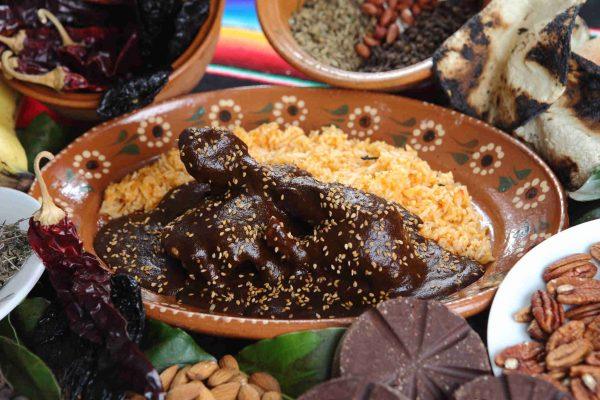
- Chocolate: High in refined sugars and fats, it can stimulate excess stomach acid, especially when eaten late at night.
- Corn: Rich in cellulose, a fiber humans can't fully digest, leading to gas and bloating in sensitive individuals.
- Coffee: Caffeine triggers acid production and can speed up bowel movements, sometimes causing diarrhea.
- Citrus fruits and tomatoes: Their acidity can damage the stomach lining when consumed on an empty stomach.
- Raw vegetables: Insoluble fiber is tough on a compromised gut, causing cramps and gas if the body isn't accustomed.
These foods are not inherently bad. In fact, many are staples in Latin American kitchens—think of the morning cafecito, the arepa made from corn, or the fresh pico de gallo with tomatoes and lime. The problem arises when consumption becomes excessive or when the gut is already inflamed.
For example, a study from the Universidad Nacional Autónoma de México found that people with Irritable Bowel Syndrome (IBS) often react strongly to high-fiber foods like corn and raw vegetables. Similarly, coffee's acidity can worsen gastritis, a condition affecting up to 40% of adults in some Latin American countries.
But the solution isn't to cut these foods out entirely. Instead, experts recommend strategic moderation. “You don't have to give up your tamales or your morning café con leche,” says Dr. Carlos Ruiz, a nutritionist in Lima. “But pay attention to how your body responds. If you feel bloated after a corn-heavy meal, try smaller portions or cook the corn to break down some of the cellulose.”
Other adjustments include eating citrus fruits with other foods rather than on an empty stomach, and steaming vegetables instead of eating them raw. For coffee lovers, limiting intake to one or two cups a day and avoiding it on an empty stomach can reduce irritation.
This is especially relevant for the Latino community, where food is central to culture and identity. From arepas in Venezuela to elotes in México, these ingredients are woven into daily life. The goal is to preserve those traditions while protecting gut health.
For more on how diet impacts overall wellness, check out our piece on how medical debt affects Latinos. And if you're curious about how stress and fame affect health, read about the hidden costs of childhood fame.
Ultimately, the key is self-awareness. Track what you eat, note when symptoms appear, and adjust accordingly. Your gut—often called the body's second brain—will thank you.