Sam Levinson's Euphoria has never shied away from emotional brutality, and Season 3's third episode, titled 'The Ballad of Paladin,' is no exception. The episode picks up the suffocating weight that has defined this season, pushing Rue Bennett (Zendaya) further into a spiral that feels both inevitable and heartbreakingly human.
For those who have followed Rue's journey from the beginning, this episode feels like a reckoning. The title itself—'The Ballad of Paladin'—evokes a sense of mythic storytelling, as if Rue is both the knight and the dragon in her own story. The episode weaves together past and present, showing how the choices we make in our darkest moments echo long after the high fades.
A Cultural Mirror for a Generation
What makes Euphoria resonate so deeply with Latino audiences is its unflinching look at the messy, often contradictory nature of identity. Rue's struggle isn't just about addiction; it's about the search for meaning in a world that often feels indifferent. This is a theme that hits close to home for many in our community, where the pressures of assimilation, family expectations, and personal dreams can collide in painful ways.
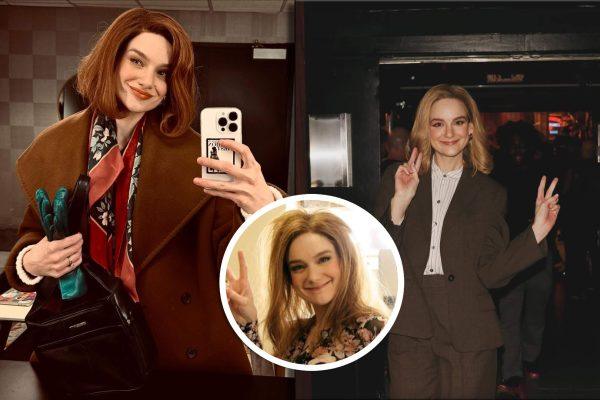
The episode also features a standout performance from Priscilla Delgado, the Puerto Rican actress who has been stealing scenes all season. Her character, a new addition to the East Highland crew, brings a fresh perspective that complicates Rue's already fragile world. Delgado's portrayal is both vulnerable and fierce, a reminder that Latin talent is shaping the landscape of prestige television.
Meanwhile, the soundtrack continues to be a character in itself. Rosalía's 'Magick' makes a haunting appearance in a key scene, its Spanish-language lyrics adding a layer of intimacy and cultural specificity that elevates the storytelling. It's a small but powerful nod to the fact that Latinidad is not a monolith—it's a rich, diverse tapestry that can be woven into even the most mainstream narratives.
The Weight of the Past
In 'The Ballad of Paladin,' Rue is forced to confront the people she has hurt, including her mother Leslie (Nika King) and sister Gia (Storm Reid). The episode doesn't offer easy answers or redemption arcs. Instead, it sits with the discomfort of broken trust and the slow, painful work of rebuilding. This is where Euphoria shines: in its refusal to glamorize or simplify the consequences of addiction.
The visual language of the episode is as striking as ever. Cinematographer Marcell Rév uses shadow and light to mirror Rue's internal state, with scenes that feel both claustrophobic and expansive. The use of color—particularly the deep blues and reds that have become synonymous with Rue's lowest moments—creates a visual shorthand that speaks directly to the viewer's emotions.
For those who have followed the evolution of the cast, it's worth noting how far these actors have come. From Rue to red carpets, the ensemble has grown into a group of artists who understand the weight of their roles. Zendaya, in particular, delivers a performance that is raw and unflinching, reminding us why she is one of the most important actors of her generation.
As the episode closes, Rue's fate remains uncertain. But that's the point. Euphoria isn't interested in tidy conclusions. It's interested in the messy, ongoing process of becoming—a theme that resonates across borders, languages, and cultures. For Latino viewers, especially those who have navigated the complexities of identity and belonging, this episode feels like a mirror held up to our own stories.
Whether you're watching from Bogotá, Los Angeles, or San Juan, 'The Ballad of Paladin' is a reminder that the most powerful stories are the ones that refuse to look away.