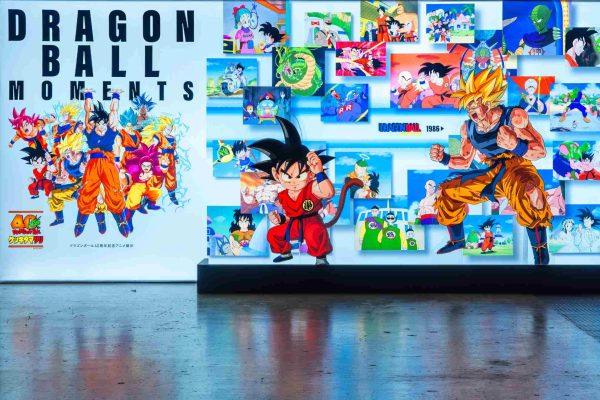
Toei Animation has dropped a new trailer for Dragon Ball Super: Beerus, a reimagined version of the anime that promises to stay true to Akira Toriyama's manga. The project aims to address the criticisms that plagued the 2015 series, particularly its uneven animation. This isn't a simple re-airing—it's a full reconstruction, with modern techniques used to replicate Toriyama's distinct linework and darker aesthetic. The trailer shows battles with a level of drama and depth that the original anime often missed, bringing the action closer to the somber tone of the manga panels.
A Return to Toriyama's Roots
The new edition includes scenes taken directly from the printed material that never made it to the small screen, creating a more cohesive narrative. According to the production team, the series will feature a "vanguard visual expression" that improves colors and fluidity while shifting the tone of encounters to make them more immersive. The trailer ends with a silhouette of Frieza, confirming that the arc will cover more than just the battle against the God of Destruction—it will include the rematch against the Emperor of Evil under this new artistic direction.
For fans who grew up with the visceral intensity of Dragon Ball Z, this is a welcome shift. The franchise has long been a cultural touchstone across Latin America, where it aired in Spanish and Portuguese dubs that became part of childhoods from Buenos Aires to México City. The news of a more faithful adaptation resonates deeply in communities where the series is more than just entertainment—it's a shared memory.
However, not all is celebration. A large portion of the fanbase has launched a social media campaign under the slogan "no more censorship." They criticize recent installments for softening violence and removing blood, elements that were fundamental to Dragon Ball Z's identity. The request to Toei is clear: they want Dragon Ball Super: Beerus to dare to show the visceral tone that the story's most dramatic moments require, allowing the "maturity" teased in the trailer to translate into less restricted action.
This debate echoes broader conversations in Latino pop culture about authenticity and adaptation. Just as Pedro Pascal's improvised dance during Bad Bunny's Super Bowl halftime show sparked discussions about representation, the Dragon Ball community is demanding that the franchise honor its roots. The tension between commercial appeal and artistic integrity is nothing new, but for a series that defined a generation, the stakes feel higher.
The trailer has already generated millions of views on social media, with fans dissecting every frame. Some praise the improved animation, while others worry that the censorship will persist. Toei has not yet responded to the campaign, but the pressure is mounting. For many Latino fans, this isn't just about a cartoon—it's about preserving the raw energy that made Dragon Ball Z a phenomenon from São Paulo to Los Ángeles.
As the release date approaches, the conversation will only intensify. Whether Toei listens to the fans or sticks to a more sanitized approach remains to be seen. But one thing is certain: the Dragon Ball community is watching, and they're not afraid to speak up.