At 41 years old, Cristiano Ronaldo is defying the usual limits of professional football. As he leads Portugal in the 2026 FIFA World Cup, his physical condition remains a talking point among fans and sports scientists alike. The secret, as many know, lies not just in his training but in a meticulously controlled diet that eliminates several common foods most people consume daily.
The Forbidden List: What Ronaldo Never Eats
Ronaldo's nutritional plan, overseen by chef Giorgio Barone, is built around reducing systemic inflammation and optimizing recovery. The Portuguese captain avoids ultra-processed foods—what experts often call junk food—because they trigger inflammatory responses that can hinder performance. Instead, he opts for fresh, whole ingredients that support cellular regeneration.
One of the most notable exclusions is dairy. Ronaldo has stated that the human body doesn't need milk for calcium and that dairy can cause digestive issues or inflammation. He gets his calcium from alternatives like leafy greens and fortified plant-based milks. Refined sugars are also completely off limits; Barone has called sugar poison for its negative metabolic effects. This means no industrial beverages, sweets, or hidden sugars in sauces.
White flours and traditional pasta are replaced by slow-absorption grains like black or red rice, which have a lower glycemic index and provide steady energy. Alcohol is another absolute no-go, as it disrupts metabolism and tissue repair. Ronaldo's approach is not about deprivation but about strategic fuel: every meal is designed to keep his body in an anabolic state, ready for high-intensity training and matches.
The Science of Slow Energy
Carbohydrates in Ronaldo's diet come from vegetables and whole grains that release energy gradually. This avoids blood sugar spikes and crashes, allowing him to maintain stable energy levels throughout the day. Studies cited by sports outlets like Polsat Sport highlight that such a low-glycemic approach is vital for athletes over 40 who need to compete at the highest level.
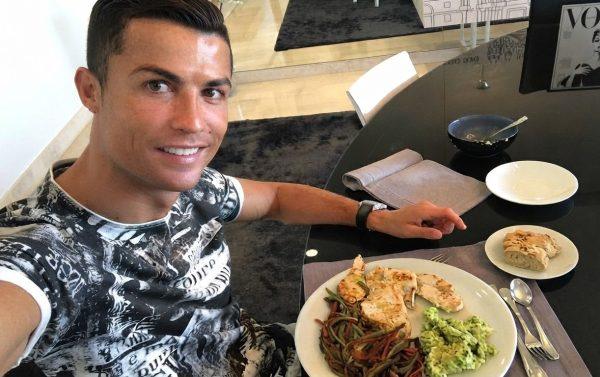
A typical dinner for Ronaldo includes lean cod or salmon, fresh spinach, and extra virgin olive oil. This combination provides omega-3 fatty acids that protect joints and soft tissues, while the protein aids muscle repair. Healthy fats from avocado and hydration with high-quality water and coffee round out his daily regimen. The result is a body that recovers faster and avoids chronic fatigue, even under the pressure of a World Cup.
Impact on Performance and Legacy
This level of dietary discipline has turned Ronaldo into a model for younger athletes. His ability to maintain peak performance at an age when most players have retired is a testament to the power of nutrition. As he continues to compete alongside stars like Kylian Mbappé—who recently weighed in on the Messi vs. Ronaldo debate—Ronaldo's longevity is reshaping expectations in elite sports.
While other players may yield to daily temptations, Ronaldo's systematic rejection of inflammatory foods gives him a competitive edge. His kitchen, shared with partner Georgina Rodríguez in Riyadh, reflects this minimalist, performance-focused lifestyle. For fans across Latin America and the diaspora, Ronaldo's story is a reminder that discipline can overcome natural talent, and that the right diet is as crucial as any training drill.
For more on Ronaldo's lifestyle, check out Inside Cristiano Ronaldo and Georgina Rodríguez's Minimalist Kitchen in Riad. And for the latest on the World Cup, see Mbappé Weighs In on Messi vs. Ronaldo Debate Ahead of 2026 World Cup.