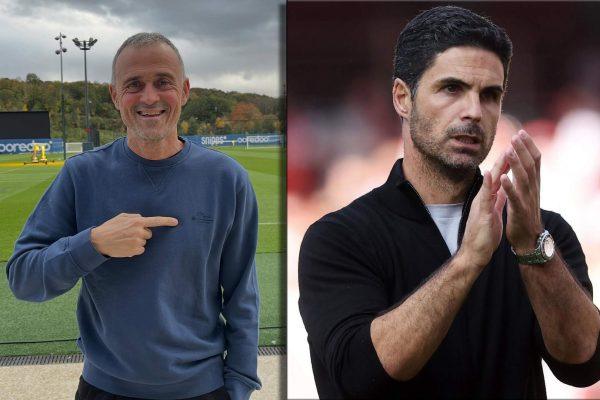
This Saturday, the Puskás Aréna in Budapest will host a Champions League final that pits two Spanish managers against each other: Luis Enrique of Paris Saint-Germain and Mikel Arteta of Arsenal. Both have built their reputations on distinct philosophies—one on continental experience, the other on domestic revival. But off the pitch, there's a clear financial gap between them.
The Numbers Behind the Dugout
According to club disclosures and reliable European football finance reports, Luis Enrique earns an annual gross salary of €12 million at PSG, which nets out to roughly €8.3 million after taxes. The Asturian coach, who led the Parisians to their first Champions League title last season by defeating Inter Milan in Munich, signed a contract that reflects the club's ambition to build a dynasty. PSG's board, after years of heavy investment, finally saw their project validated under his leadership.
On the other side of the pitch, Mikel Arteta's compensation tells a different story. The Basque manager, who ended Arsenal's 22-year Premier League drought, earns a gross annual salary of €17.4 million—about €9.6 million net. That figure places him among the highest-paid managers in world football, a reward for the patience and structural identity he brought back to the Emirates. Arsenal's board stuck with him through early setbacks, and that loyalty has paid off in both silverware and financial valuation.
Experience vs. Continuity
Luis Enrique brings a wealth of Champions League experience, having won the trophy as a player with Barcelona and as a manager with both Barça and PSG. His tactical flexibility and ability to manage star-studded squads have made him a sought-after figure in European football. For PSG, retaining him for a back-to-back title push was a priority, and the €12 million salary reflects that.
Arteta, meanwhile, represents a different kind of investment. He's a homegrown manager in the sense that he played for Arsenal and returned to rebuild the club from within. His contract extension after the Premier League triumph was a statement: Arsenal values continuity and identity over short-term fixes. That approach has resonated with fans and the board alike, and his salary—€5.4 million more than Luis Enrique's gross—underscores the premium placed on domestic success and long-term vision.
What This Means for the Final
While the salary gap is clear, it doesn't necessarily predict the outcome on the pitch. Luis Enrique's PSG have the edge in recent Champions League pedigree, but Arteta's Arsenal have momentum and a cohesive system. The final will also determine who gets a ticket to the UEFA Super Cup against Aston Villa, a match scheduled after the 2026 FIFA World Cup in North America.
For Latino fans following the game, both managers represent the growing influence of Spanish coaching in global football. Luis Enrique, born in Gijón, and Arteta, from San Sebastián, have taken different paths to the top, but their shared language and footballing culture remind us that el fútbol is a universal language with many accents.
As the two dugouts prepare for battle in Budapest, one thing is certain: whether you're backing the Parisian project or the London revival, the financial stakes are as high as the sporting ones. For more on the buildup, check out our coverage of PSG's injury crisis and the World Cup 2026 fan festival in Monterrey.