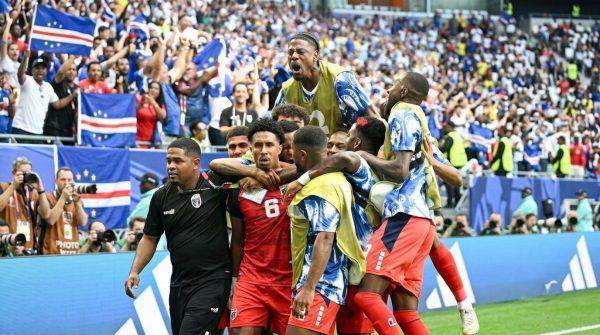
When the 2026 World Cup kicked off in North America, few expected a nation of just over 500,000 people to become the tournament's defining underdog. Yet Cape Verde, an archipelago off the coast of Senegal, has done exactly that. Under head coach Bubista, the Blue Sharks secured stunning draws against former champions Spain and Uruguay, rewriting the script for what a small footballing nation can achieve.
The key to Cape Verde's success lies in a modern, unconventional roster-building strategy. Instead of relying solely on local talent, the federation scouted the diaspora in France and Portugal, even using platforms like LinkedIn to identify players with Cape Verdean heritage. This approach brought in athletes who grew up in European academies but proudly represent their ancestral homeland. The result is a squad that combines technical discipline with raw, relentless energy.
How Cape Verde's Tactics Neutralized Giants
Against Spain, Cape Verde's defensive resilience frustrated the Iberian side for over 100 minutes. The team's compact shape and high pressing made it nearly impossible for Spain's attackers to find space. Then came the match against Uruguay, where Kevin Lenini Pico scored a brilliant free-kick—the first World Cup goal in Cape Verde's history—to secure a 2-2 draw. Aggressive tactical adjustments caught the South Americans off guard, proving that heart and preparation can level the playing field.
FIFA analysts have praised the team's tactical discipline, noting how they neutralized elite European and South American forwards. At the heart of this defensive wall is 40-year-old goalkeeper Vozinha, whose crucial saves have made him a viral sensation. His performances have drawn comparisons to legends, and his story is one of perseverance: a veteran who waited years for this moment.
For a deeper dive into Vozinha's impact, check out our piece on how he held Spain to a draw and the social media frenzy that followed.
Global Impact and Legacy
International bookmakers have called Cape Verde's results the biggest upset in modern World Cup history. But beyond the odds, the team's run has transformed the nation's visibility. Social media metrics have exploded, with previously unknown athletes gaining massive followings. Sports economists note that this exposure brings unprecedented commercial opportunities for the players and the country.
The Cinderella story resonates deeply with fans who love a classic David versus Goliath narrative. As the team prepares for a high-stakes match against Saudi Arabia, the world watches to see if the fairy tale continues. Regardless of the outcome, Cape Verde has already left an indelible mark on the tournament. Their journey is a reminder that in football, passion and teamwork can overcome any disadvantage.
For more on the social media growth of World Cup stars, including Vozinha and others, read our analysis on Instagram growth during the tournament.
This story also connects to broader themes of diaspora identity and heritage—topics that resonate deeply with Latino audiences. Just as Cape Verdeans abroad reconnect with their roots through football, many Latinos navigate similar dual identities. It's a reminder that la patria is not just a place, but a feeling carried in the heart.