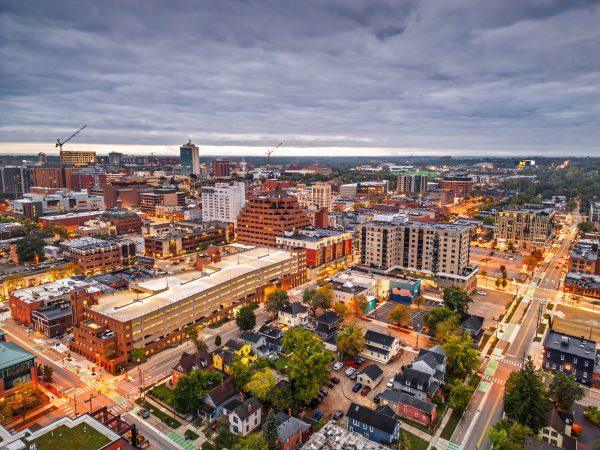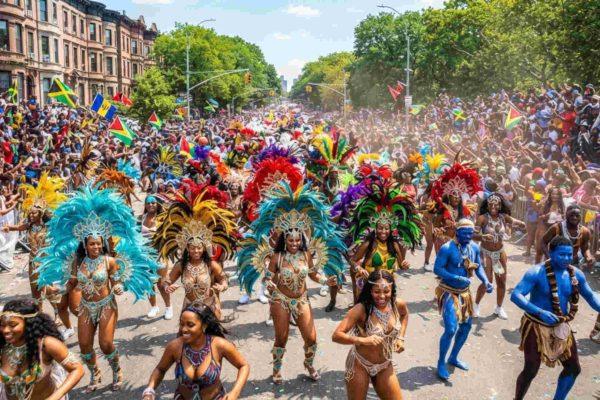
The streets of Prospect Heights in Brooklyn transformed into a sea of color and sound before dawn as thousands gathered for J'Ouvert, the pre-dawn celebration that officially opens the New York Carnival Parade. This year's festivities, organized by the West Indian American Day Carnival Association, once again brought together more than a million people to honor Caribbean heritage in the heart of New York City.
A tradition that runs deep
For many attendees, the New York Carnival is far more than a massive street party. It's a living link to ancestral roots, family histories, and the pride of Caribbean nations. From the pulsating rhythms of soca and calypso to the intricate costumes of masqueraders, every element of the celebration carries meaning.
"This is about remembering where we come from," said Marlene Joseph, a Brooklyn resident of Haitian descent who has attended J'Ouvert for over two decades. "It's a way to pass our culture to the next generation, to show them the beauty of our islands."
The event has grown into a cultural powerhouse since its origins in Harlem in the 1920s, moving permanently to Brooklyn in the mid-1960s. Today, the parade along Eastern Parkway is one of the largest street festivals in the United States, drawing participants from across the Caribbean diaspora and beyond.
For those who couldn't make it in person, the festivities were streamed live on platforms like Disney+, YouTube, and TikTok, allowing the global Caribbean community to join in the celebration. This digital reach underscores how the carnival's spirit continues to expand while staying true to its roots.
More than a parade
The New York Carnival is also a showcase of the diversity within Caribbean culture. From Trinidadian party traditions to Haitian rhythms, each island brings its own flavor to the streets. Attendees proudly display their heritage through fashion, music, and dance, creating a vibrant mosaic that reflects the richness of the region.
"We come from different islands, but here we are one family," said Ricardo Gomez, a participant from Puerto Rico. "The carnival is a reminder that our cultures are connected, and that unity makes us stronger."
The event also serves as a platform for local businesses and artists, many of whom rely on the carnival to showcase their work. Food vendors, craft sellers, and musicians line the parade route, offering a taste of the Caribbean to the millions of spectators.
As the sun rose over Brooklyn, the celebration continued well into the afternoon, with the parade winding through the borough's streets. For many, the carnival is a highlight of the Labor Day weekend, a time to come together and celebrate resilience, creativity, and community.
This year's carnival also coincided with other cultural events in the city, including Elvis Crespo's free merengue party in the Bronx, offering a full weekend of Latin and Caribbean music. Meanwhile, Spike Lee's Michael Jackson tribute in Fort Greene Park added another layer of Brooklyn's rich cultural tapestry.
For those who missed the live action, the carnival's official social media channels and streaming partners provided extensive coverage, ensuring that the spirit of the New York Carnival reaches audiences far beyond the city's limits. As the event continues to evolve, it remains a testament to the enduring power of cultural celebration in the diaspora.