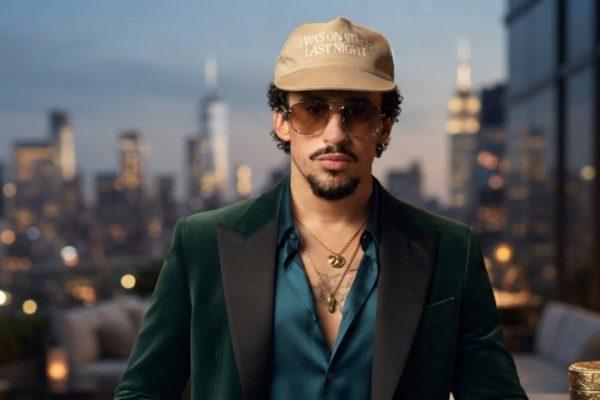
Bad Bunny may have walked away victorious from the courtroom, but the financial aftermath of his copyright battle is far from a win. A federal judge has denied the Puerto Rican superstar's request to have his legal fees covered by the opposing side, leaving him to absorb a hefty $465,000 bill out of pocket.
The dispute centered on his chart-topping album Un Verano Sin Ti, specifically the track "Enséñame a Bailar," which was accused of using a sample without proper authorization. The plaintiffs argued that the song incorporated protected material without permission, while Bad Bunny's legal team maintained that all necessary rights had been secured in advance.
Although the case was ultimately dismissed and Bad Bunny celebrated the closure of the legal saga, the judge overseeing the matter concluded that the original claim was not frivolous. In legal terms, the plaintiff's case had enough merit to be considered reasonable, which meant the court could not shift the burden of the artist's attorney fees onto the other party.
The cost of protecting creative work
This ruling underscores a reality that many artists face when navigating the complex world of music licensing and intellectual property. Even a successful defense can come with a significant financial toll, especially when courts determine that the challenger had legitimate grounds to bring the case forward.
For Bad Bunny, who continues to dominate global charts and sell out stadiums, the $465,000 is a drop in the bucket compared to his overall earnings. But the decision sets a precedent that could influence how similar disputes are handled in the future, particularly in the music industry where sampling and interpolation are common.
The judge's reasoning was clear: protecting the right of creators to pursue legitimate legal claims is essential, even if those claims ultimately fail. By denying the fee reimbursement, the court reinforced the idea that artists should not be discouraged from raising valid concerns about copyright infringement.
What this means for the industry
For emerging artists and producers, this case serves as a reminder of the importance of meticulous documentation and legal oversight in every stage of music production. While Bad Bunny's team had agreements in place, the judge found that the evidence did not conclusively prove the authorizations were secured before the lawsuit was filed.
This nuance is critical. In the fast-paced world of music creation, especially with the rise of digital sampling and collaborative platforms, ensuring that every sample is cleared and every contract is airtight can be the difference between a smooth release and a costly legal battle.
Bad Bunny's situation also highlights the broader financial risks that come with being a global superstar. From emotional performances in Puerto Rico to his final shows of the Debí Tirar Más Fotos tour, the artist continues to make headlines for his music and his connection to his homeland. But behind the scenes, the business of music is as much about legal strategy as it is about creativity.
For fans, the news may come as a surprise, but it's a reminder that even the biggest names in Latin music are not immune to the complexities of copyright law. As Bad Bunny moves forward with his multiple projects, he does so with a valuable lesson learned—and a bill that serves as a cautionary tale for the industry at large.
In the end, the judge's decision protects the integrity of the legal process, ensuring that artists can defend their work without fear of being penalized for bringing a reasonable case. For Bad Bunny, the financial setback is just a footnote in a career that continues to break records and barriers across the Americas and beyond.