Bad Bunny’s influence continues to expand beyond music and into the realm of cultural preservation. The Madrid Wax Museum has confirmed that the Puerto Rican artist will soon have his own hyper-realistic wax figure, joining the ranks of global icons in its permanent exhibition. The announcement comes as the singer prepares for a historic concert residency at the Metropolitano stadium and launches his first high-fashion collaboration with Zara.
The museum’s artistic team is putting the final touches on the sculpture, carefully replicating Bad Bunny’s distinctive features, tattoos, and characteristic posture. The figure aims to capture the essence of an artist who has redefined Latin music’s global reach, from reggaetón anthems like “Titi me preguntó” to genre-blending projects that challenge industry norms.
Madrid as a Strategic Hub
The Spanish capital has become a focal point for Bad Bunny’s European ambitions. His concert series at the Metropolitano stadium, scheduled for May 30 and 31, 2026, with eight additional dates in June, marks one of the most extensive residencies by a Latin artist in the city. This move underscores Madrid’s role as a bridge between Latin America and Europe, where Latino culture thrives in both mainstream and underground scenes.
The wax figure announcement is no coincidence. It strategically coincides with the artist’s arrival in Madrid, amplifying his presence in a city that has embraced him as a cultural force. For Puerto Ricans and Latinos across the diaspora, seeing Bad Bunny immortalized in wax feels like a validation of the region’s impact on global pop culture.
The Benito Antonio Collection: Puerto Rican DNA in Fashion
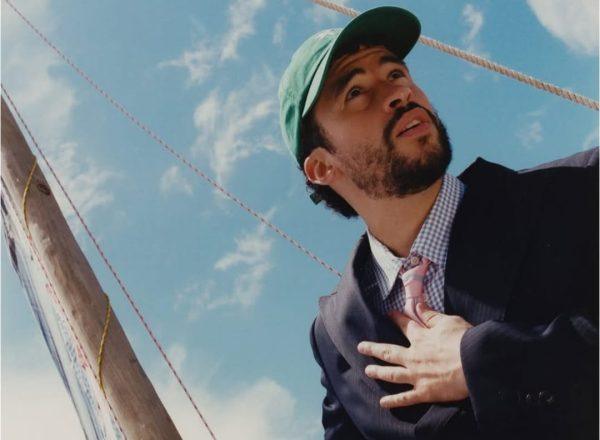
Simultaneously, Bad Bunny has launched “Benito Antonio,” his first designer clothing line developed in partnership with the Galician multinational Zara. The collection, which drops on May 21, features 150 exclusive pieces under the creative direction of his longtime collaborator Janthony Oliveras. The line blends classic tailoring with oversize silhouettes, textured shirts, and fluid cuts designed for summer.
What sets this collection apart is its visual campaign, shot by renowned director Stillz in Puerto Rico. Instead of glossy luxury backdrops, the photos embrace the raw beauty of the island’s everyday life—utility poles, worn concrete walls, and urban infrastructure. This choice roots the collection in Puerto Rican identity, rejecting conventional fashion tropes in favor of authenticity.
As we covered in our earlier piece on the Benito Antonio collection, the collaboration is more than a commercial venture; it’s a statement about how Latino artists are reshaping global fashion. Bad Bunny’s aesthetic—bold, unapologetic, and deeply personal—translates into wearable pieces that feel accessible yet distinctive.
Beyond Music: A Cultural Empire
Bad Bunny’s trajectory from a Puerto Rican trap star to a global phenomenon is well documented, but his recent moves highlight a deliberate expansion into fashion, art, and even science. Earlier this year, the Bad Bunny 360 Experience brought Puerto Rico to Phoenix’s Arizona Science Center, blending music with interactive exhibits. His ability to cross industries without losing his core identity is rare, and it speaks to a generation of Latinos who see themselves reflected in his journey.
The wax figure and Zara collection are not isolated events. They are part of a broader strategy to cement Bad Bunny’s legacy as a cultural architect. For Latinos in the US and beyond, his success feels personal—a reminder that our stories, our aesthetics, and our sounds can command global attention without being diluted.
As the Madrid Wax Museum prepares to unveil the figure, and as fans line up for the Zara drop, one thing is clear: Bad Bunny’s influence is no longer just about music. It’s about how we see ourselves, and how the world sees us.