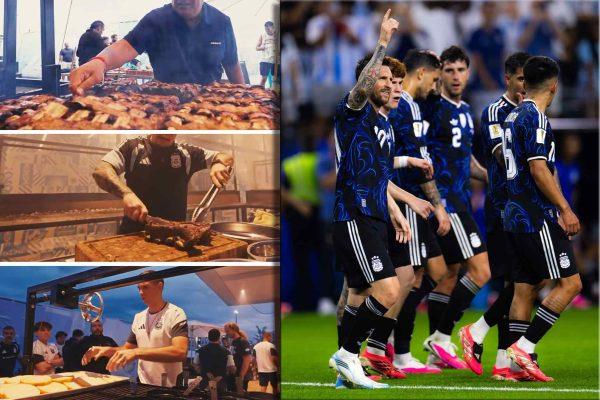
When the Argentine national football team set up camp in Kansas City for the 2026 FIFA World Cup, they brought more than just tactics and talent. They brought 450 kilograms of premium Argentine beef, carefully selected cuts like short ribs, flank steak, ribeye, and sirloin, shipped across borders to ensure the squad's beloved asado tradition remained intact. For the reigning world champions, this isn't just about food—it's about home.
The Argentine Football Association (AFA), led by Claudio “Chiqui” Tapia, orchestrated the complex logistics months before the tournament began. The half-ton of meat underwent rigorous inspections by U.S. customs, and the team's equipment staff installed commercial freezing infrastructure at the Origin Hotel to preserve the cargo. This meticulous planning reflects a belief that dietary familiarity is a competitive edge, reducing cortisol levels and anxiety in high-pressure moments.
Asado as a Strategic Ritual
For Argentina, the asado is far more than a casual barbecue. It's a cultural cornerstone, a space where team chemistry is forged away from the training pitch at Sporting KC's Compass Minerals facility. Around the fire pit, stars like Lionel Messi share equal portions with younger players, breaking down hierarchies and reinforcing unity. The AFA's social media feeds regularly broadcast these gatherings, showing a squad that prioritizes organic leadership over rigid corporate protocols.
This approach isn't new. During the 2022 World Cup in Qatar, Argentina imported 2.5 tons of domestic meat, a massive investment that culminated in lifting the trophy. Team medical staff argue that digestive familiarity and the psychological comfort of native foods help maintain focus and reduce stress. As one insider noted, “the flavor of home powers their title defense.”
Weathering the Midwest
The team's dedication to tradition was tested early in their stay when severe weather warnings and tornado sirens sounded across Kansas City. Undeterred, the players continued their outdoor parrillada, a display of composure that went viral online. Local residents celebrated the scene as a cultural bridge, linking Argentina's open-flame obsession with the Midwest's own barbecue heritage. It was a moment that turned a logistical detail into a symbol of resilience.
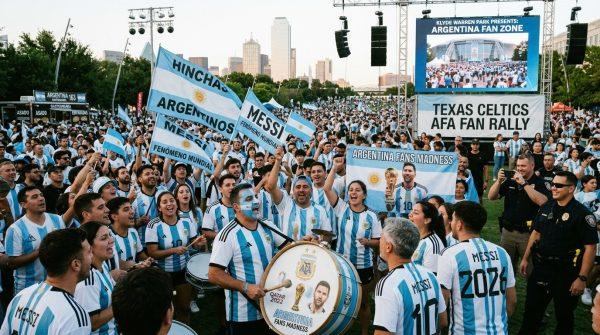
Critics might question why a team in a city known for its high-end steakhouses would import beef from Argentina. The answer lies in the data: the same cuts, prepared the same way, evoke a sense of home that no local substitute can replicate. For a squad chasing back-to-back World Cup glory, every psychological advantage matters. As Argentina fans turn host cities into seas of sky blue and white, the team's internal culture remains anchored in the asado.
The AFA's investment in this ritual underscores a broader philosophy: that success on the pitch is built on comfort off it. While other federations enforce standardized nutrition and isolation, Argentina leans into its culinary identity. The asado is their boardroom, their therapy session, and their rallying point. As they navigate the knockout stages, the scent of grilled meat will linger over Kansas City, a reminder that for this team, the path to victory runs through the fire.
For more on how Argentina's stars maintain their edge, read Inside Lionel Messi's Diet and Training. And for a broader look at the tournament's predictions, check Opta's Supercomputer Forecast.