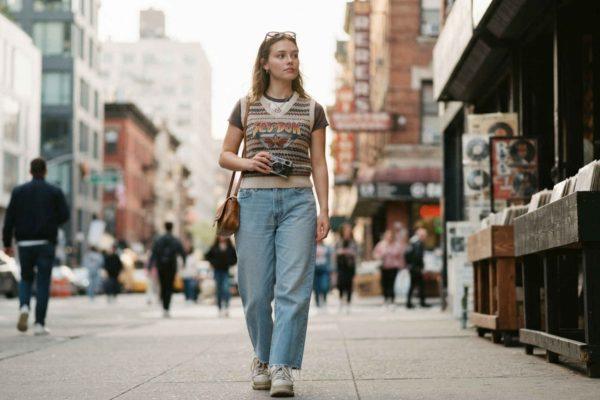
Walk through the streets of Bogotá, México City, or Los Angeles and you'll see it: baggy jeans, oversized blazers, chunky sneakers, and bucket hats that could have come straight from a 1990s music video. For Gen Z, this isn't just a style choice—it's a deep emotional pull toward decades they never lived. The term for this is anemoia: a nostalgic longing for a time you weren't born into. And it's reshaping fashion across the Americas.
Anemoia isn't a new concept, but social media has turned it into a cultural engine. Platforms like TikTok and Instagram feed us endless loops of archival footage, vintage ads, and throwback playlists, making the past feel tangible and desirable. Algorithms notice our engagement with these retro aesthetics and amplify them, creating a feedback loop where yesterday's trends become today's hottest looks. For young Latinos, this means rediscovering the styles of their parents' and grandparents' generations—and making them their own.
The algorithm's role in reviving the past
Fashion cycles used to span decades. Now, they compress into months or even weeks. The same digital infrastructure that accelerates trends also fuels anemoia. When a clip of a 1990s telenovela goes viral, or a throwback photo of a Latin music icon surfaces, it sparks a wave of interest in that era's fashion. Designers and fast-fashion brands are quick to respond, churning out collections that nod to the '70s, '80s, and '90s. This isn't mere coincidence—it's a calculated response to a generation that finds comfort in the past.
For many Gen Zers, looking backward isn't a lack of originality. It's a way to build identity in a hyperconnected world that often feels overwhelming. As Zendaya's fashion empire shows, style can be a strategic tool for self-expression. Similarly, young Latinos are using retro fashion to connect with their cultural roots, whether it's the bold prints of the '80s or the grunge-inspired layers of the '90s.
Nostalgia as a refuge from digital saturation
There's also a psychological dimension. The constant stream of news, notifications, and content can be exhausting. Anemoia offers an escape—a curated, idealized version of the past that feels simpler and more authentic. This is especially resonant for Latin American youth, who often navigate a complex mix of tradition and modernity. By wearing the styles of their parents' youth, they honor that heritage while carving out a space of their own.
Artists like Karol G in her vulnerable new era tap into this same nostalgia, blending old-school sounds with contemporary production. Fashion follows suit, with designers across the region reinterpreting vintage silhouettes for today's runways. The result is a vibrant, cross-generational dialogue that keeps the past alive in the present.
This phenomenon isn't limited to high fashion. On the streets, thrift stores and vintage markets are booming, especially in cities like São Paulo and Buenos Aires. Young people are hunting for authentic pieces that tell a story, rejecting the mass-produced sameness of fast fashion. It's a movement that's both personal and political, a way to stand out while feeling connected to something larger.
Even celebrities are getting in on the act. Jennifer Lopez's style has long been a bridge between eras, and her influence continues to shape global fashion. For Gen Z, seeing icons like J.Lo embrace retro looks validates their own nostalgia. It's a reminder that style is cyclical, and that the past is always ripe for reinvention.
As the fashion industry hurtles toward an uncertain future, one thing is clear: the past is not going anywhere. Anemoia ensures that the styles of yesteryear will keep resurfacing, reimagined for each new generation. For Latinos, this is more than a trend—it's a way of honoring where we came from while defining where we're going.