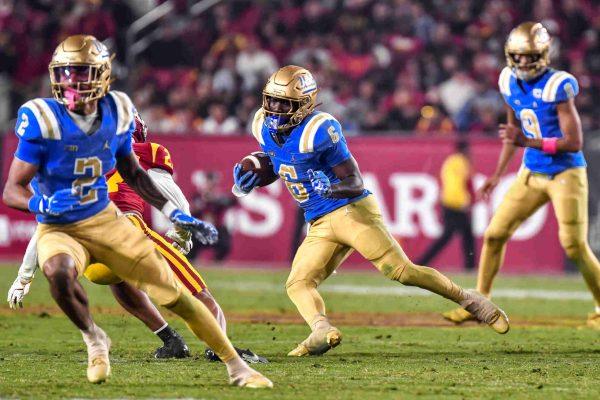
In the ever-shifting landscape of college football, where roster turnover has become the norm, the UCLA Bruins are charting a different course. Under new head coach Bob Chesney, the program is using the NCAA transfer portal not just to fill holes, but to deliberately construct a foundation of stability and shared understanding.
With only about half of last season's players returning, Chesney faced a monumental rebuild. Instead of scattering his efforts, he made a targeted, strategic move: bringing in ten players from James Madison University, where he previously coached. This isn't a random collection of talent; it's a calculated infusion of athletes who already grasp Chesney's standards, playbook, and expectations.
The James Madison Connection: Importing a Culture
The arrival of these ten transfers, including leaders like Landon Ellis, is central to UCLA's transition. These players act as extensions of the coaching staff on the field, helping to accelerate the learning curve for the entire roster. Their familiarity with the system allows the team to focus on execution rather than basic installation during crucial spring practices.
"This familiarity allows new talents to quickly understand the coaching staff’s expectations," as one observer noted. The JMU group does more than just play—they embody the discipline and belief necessary to succeed under this new regime. For a Latino fanbase that passionately supports collegiate athletics across the United States, this represents a promising blueprint for building a competitive team that can contend in one of the nation's toughest conferences.
This focus on building a coherent team culture resonates beyond the gridiron. Just as athletes seek the right fit for success, many in our community are navigating important financial transitions, seeking stability and wise planning for the future.
Cohesive Leadership From the Sidelines
Stability, however, doesn't come from players alone. Chesney has surrounded himself with a coaching staff that shares his long-term vision. Coordinators like Dean Kennedy and Colin Hitschler have worked with Chesney for over a decade. This deep, shared history creates a seamless vertical alignment, where philosophy and strategy flow from the top down without friction or misinterpretation.
This alignment is critical. In a sport where every detail matters, having a unified command structure allows for quicker adjustments and builds trust within the locker room. The atmosphere in Westwood, according to reports from spring practices, already reflects a level of cohesion that defies the typical turmoil of a coaching change.
The Bruins' approach serves as a fascinating case study in using the new rules of college athletics—primarily the transfer portal—not merely to survive, but to lay a durable foundation. While the sports world often focuses on blockbuster, single-player moves, like potential shifts for the Los Angeles Lakers, UCLA's strategy is about systemic integration.
The ultimate test will come on the field this fall. But for now, the UCLA football program has managed to turn a tool often associated with chaos—the transfer portal—into an instrument for building unexpected stability. It's a reminder that in sports, as in culture, success often hinges on the deliberate weaving together of familiar threads to create something new and resilient. The Latino community, with its deep appreciation for both futbol and football, will be watching closely to see if this foundation of trust leads to a triumphant new chapter for the Bruins.