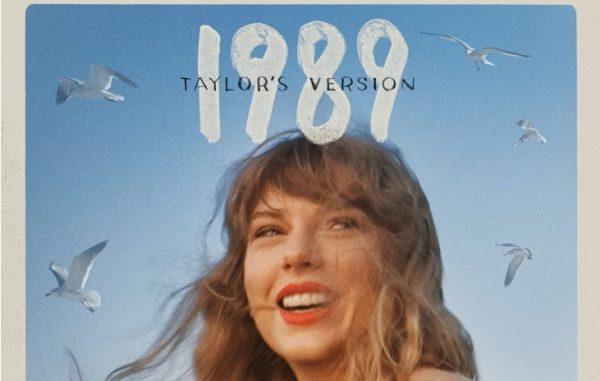
The Library of Congress has officially added Taylor Swift's 1989 to the National Recording Registry, a move that cements the album's place in U.S. cultural history. Announced on May 14, the selection ensures that the record—which marked Swift's full pivot from country to pop—will be preserved for future generations as an "audio treasure."
Established in 2002, the registry annually picks 25 recordings that hold exceptional cultural, historical, or aesthetic value. To qualify, a recording must be at least a decade old, and 1989—released in 2014—easily meets that threshold. The album's influence, from its chart-topping singles to its role in redefining pop music, made it a natural candidate.
A Milestone for Swift and Her Fans
This is Swift's first entry into the registry, and she shares the honor with Beyoncé's "Single Ladies (Put a Ring on It)" and Weezer's self-titled debut, The Blue Album. Robert Newlen, acting Librarian of Congress, emphasized the mission to "preserve our national playlist," ensuring that the sounds that shaped a generation remain accessible. Fan enthusiasm played a big part: over 3,000 nominations poured in through the library's portal, with Swift's supporters leading the charge.
The recognition goes beyond sales and fame. It acknowledges how 1989 has woven itself into the social and academic fabric of the country. For many Latinos in the U.S., Swift's music has been a soundtrack to moments of joy, heartbreak, and celebration—much like the work of artists such as Bad Bunny, who also topped Spotify's streaming charts alongside Swift.
A Diverse Class of 2026
The registry's latest cohort reflects a wide range of genres and cultural touchpoints. Alongside pop and rock, it includes Bobby Prince's soundtrack for the video game Doom (1993), the broadcast of the legendary 1971 boxing match between Muhammad Ali and Joe Frazier, and Rosanne Cash's The Wheel. Cash's inclusion is particularly notable: she and her father Johnny Cash are now the first father-daughter duo in the registry's history.
This diversity mirrors the broader American experience, where music, sports, and gaming all contribute to a shared sonic heritage. For Latino audiences, the registry's mix of sounds—from country to hip-hop to Latin rhythms—reflects the multicultural reality of the U.S. today.
Preservation for the Future
Once selected, recordings receive top-tier conservation treatment in partnership with the recording industry. Rosanne Cash, upon hearing the news, remarked that the gift of these songs is their ability to remain "alive" decades after creation. That sentiment rings true for Swift's 1989, which continues to resonate with new listeners.
The inclusion also highlights how pop music can transcend its commercial origins to become part of a nation's historical memory. As Swift's work joins the ranks of other preserved recordings, it no longer belongs only to her fans—it belongs to everyone. For Latinos who grew up with her music, this recognition feels personal, a validation of the cultural moments that shaped their lives.
In a year where Michael Jackson's Thriller returned to No. 1 and Selena Gomez's Rare Beauty collaborated with Tajín, Swift's registry entry is another reminder of how music and culture intertwine. The Library of Congress has ensured that 1989 will be heard for generations to come.