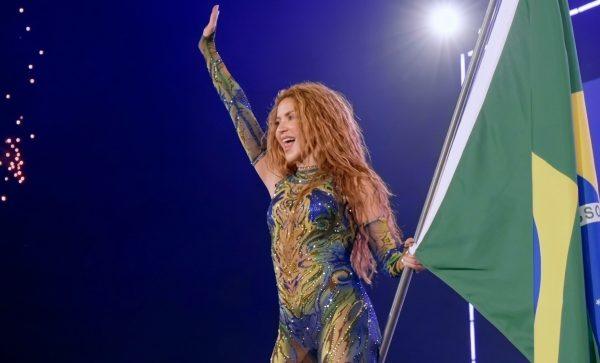
Rio de Janeiro is still buzzing from the seismic energy of Shakira's free concert on Copacabana Beach, a show that not only shattered attendance records but also redefined what a live performance can mean for a city and its people. The Colombian superstar, born in Barranquilla, turned the iconic stretch of sand into a cathedral of resilience and female empowerment, drawing an estimated 2 million fans on May 2, 2026.
The evening was a masterclass in spectacle and heart. Shakira dedicated the night to women, calling them "invincible" as she wove through global anthems like "Waka Waka" and "Chantaje." The surprise appearance of Brazilian pop star Anitta added a local flavor that electrified the crowd. Together, they created a moment that transcended music, becoming a celebration of Latina strength and unity. The attendance figures dwarfed those of previous Copacabana headliners like Madonna and Lady Gaga, cementing Shakira's place in the pantheon of live performers.
The economic impact was equally staggering. The event generated an estimated $160 million for Rio, from tourism to local businesses, proving that a free concert can be a powerful engine for urban revitalization. For a deeper look at how Shakira balanced this triumph with personal challenges, read our coverage of her father's health crisis during the show.
Rio's Ambitious Plan for 2027: Beyoncé and Rihanna in the Spotlight
Far from resting on this success, Rio's mayor, Eduardo Cavaliere, has already set his sights on the next chapter. In a move that set social media ablaze, Cavaliere publicly named Beyoncé and Rihanna as the primary candidates to headline the 2027 edition of what is quickly becoming an annual tradition: a free, mass-attendance concert by a global pop diva on Copacabana Beach.
The prospect of Beyoncé bringing her visual and technical prowess to Rio is tantalizing. Her ability to blend spectacle with social commentary would resonate deeply in a city that thrives on contrasts. But it's Rihanna's name that generates a near-mystical anticipation. The Barbadian singer, who has focused on her Fenty empire in recent years, could use the Copacabana stage for a triumphant return to live performing, echoing the impact of her Super Bowl halftime show. For more on how Shakira set this new standard for Latino artists, see our analysis of her record-breaking achievement.
This trend is unique: Rio de Janeiro is actively working to institutionalize the "great diva concert" as an annual, free, and massive event. The city's production machinery is already in motion, ensuring that 2027 maintains the prestige and scale that Shakira established. If the goal is to top this weekend's experience, only names of the caliber of "Queen B" or "Riri" seem to measure up to the challenge left on the sand.
The conversation around these potential bookings also highlights the growing influence of Latino and Afro-Latino artists on the global stage. Shakira's show was a testament to the power of Latin music, and the possibility of Beyoncé or Rihanna performing in Rio underscores the city's role as a cultural crossroads. For context on how this fits into the broader landscape of Latino music, check out our piece on Shakira and Anitta's collaboration.
As the world continues to discuss Shakira's flawless execution, one thing is clear: Copacabana Beach has become the ultimate stage for pop divas, and the bar has been raised to dizzying heights. Whether it's Beyoncé, Rihanna, or another icon, the 2027 show will have to be nothing short of extraordinary to match the legacy Shakira left on that sand.