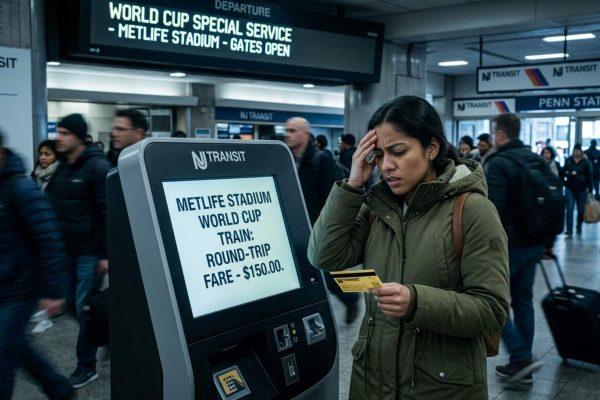
The excitement for the 2026 FIFA World Cup, set to be hosted across North America, has hit a significant roadblock in the New York-New Jersey area. A controversial transportation plan is threatening to saddle fans with exorbitant costs just to reach the matches. NJ Transit has confirmed that a round-trip train ticket from Manhattan's Penn Station to MetLife Stadium in East Rutherford will cost $150 during the tournament—a staggering markup from the usual $12.90 fare for the same 14-kilometer journey.
With parking largely prohibited at the stadium for general ticket holders, authorities expect roughly 40,000 spectators to rely on public transit for each of the eight matches scheduled at the venue, including the highly anticipated final on July 19. The announcement of the special fare has ignited a firestorm of criticism from international football bodies and local supporters alike, who see it as a barrier to accessibility for the world's most popular sporting event.
A Clash Over Costs and Commitments
State officials have mounted a firm defense of the pricing. New Jersey Governor Mikie Sherrill and NJ Transit CEO Kris Kolluri argue the measure is necessary for financial sustainability. They detailed that the total operational cost for transporting fans during the World Cup will reach approximately $62 million, with only $14 million covered by external grants. This leaves a $48 million shortfall that the agency says it must recoup.
"This is not price gouging," Kolluri stated emphatically. "We are literally trying to recover our costs." Governor Sherrill criticized the foundational agreements, noting that FIFA contributed "$0 for transportation," which would have left the perennially cash-strapped transit agency bearing the full burden. "We will not subsidize ticket holders at the expense of New Jersey residents," she affirmed, framing the surcharge as a way to prevent local taxpayers from shouldering debt for years.
FIFA, however, has reacted with clear "displeasure." The global football federation points to agreements signed back in 2018 that stipulated free transportation for ticket holders on match days. The current proposal from New Jersey represents a stark departure from that initial understanding and raises questions about the state's planning and commitment to fan experience.
A Stark Contrast with Other Host Cities
The controversy deepens when comparing the New Jersey plan with logistics in other host cities for major sporting events. Cities like Los Angeles, Atlanta, Houston, and Philadelphia are maintaining their standard public transit fares, which will keep round trips under $3.00, often thanks to federal subsidies. Kansas City plans to offer round-trip transfers for $15.
This disparity paints a picture of potential logistical chaos and inequity for fans traveling to the New York area. Other alternatives are scarcely better. Private shuttle buses from Midtown Manhattan are being advertised for $80 round trip, while parking at the nearby American Dream Mall is being pre-sold for an astronomical $225. For many families and international visitors, these costs could become prohibitive, turning a celebration of global football into a financial strain.
The situation underscores a broader challenge for major events in the region: balancing infrastructure needs with public accessibility. It also serves as a cautionary tale for future global gatherings, highlighting the importance of clear, binding agreements that protect fans from last-minute financial surprises. For the Latino households across the Americas saving up for this once-in-a-generation event, such unexpected expenses can derail long-held plans.
As the debate continues, the focus remains on whether a compromise can be reached before 2026. The World Cup is meant to unite cultures and communities through sport, but this transportation dispute risks creating a divided experience where only those who can afford the premium fare can fully participate. The outcome will likely influence how future host cities negotiate and plan for the massive infrastructural demands of the world's largest sporting event.