The 2026 Major League Baseball season promised a new era of precision with the introduction of the Automated Ball Strike (ABS) system. Designed to bring technological perfection to ball and strike calls, the system allows teams to challenge an umpire's decision in real time. However, the transition has been anything but smooth, creating a wave of on-field confusion as a simple, universal gesture—tapping the top of one's helmet or cap—clashes with decades of ingrained baseball habits.
When a Habit Becomes a Challenge
The core of the issue lies in the chosen signal to activate a challenge. For generations, players from Little League to the majors have subconsciously touched their helmets to adjust caps, wipe sweat, or manage nervous energy. Now, that same motion is being interpreted by umpires as a formal request to review a call. This overlap has given rise to the "accidental challenge," where teams are burning their limited review opportunities not on strategic disputes, but on involuntary tics.
The problem isn't isolated to one team or player. It's a systemic flaw affecting clubs across the league, turning routine moments into costly misunderstandings. The ambiguity of the gesture has already sparked arguments on the diamond, forcing a necessary conversation about whether the protocol needs an urgent redesign.
Confusion from Los Angeles to New York
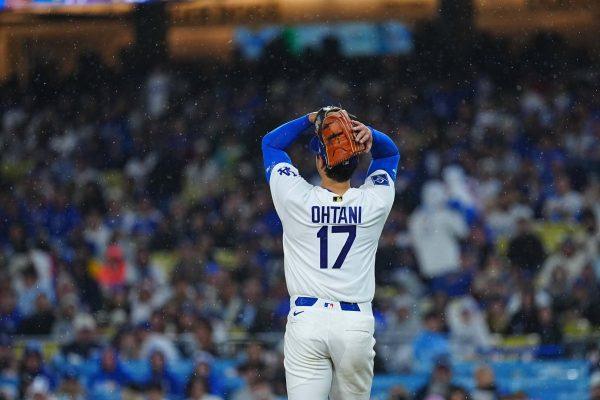
One of the first and most notable incidents occurred early in the season during a game between the Los Angeles Dodgers and the Toronto Blue Jays. Superstar Shohei Ohtani, after a pitch was called a ball, went to fix his hat. Catcher Will Smith, believing Ohtani wanted to challenge, tapped his own head. Umpire Dan Bellino immediately initiated an ABS review for a call that was already in the Dodgers' favor, leaving the team baffled and wasting a precious challenge.
The trend continued in the American League. New York Yankees first baseman Ben Rice experienced palpable frustration after striking out. As he walked back to the dugout, he instinctively adjusted his helmet—a move Bellino, again behind the plate, took as an official challenge. Rice tried to explain he had no intention of contesting the strikeout, but the review proceeded. The call stood, and the Yankees lost their first challenge of the game, all because of a player's muscle memory.
Not every accidental review has ended in disappointment, however. Pittsburgh Pirates pitcher Bubba Chandler had a stroke of luck against the Chicago Cubs. While facing Moisés Ballesteros, Chandler touched the back of his cap to adjust it. Umpire Alan Porter saw this as a challenge signal and triggered the ABS system. To everyone's surprise, the technology overturned the initial call, turning a ball into a strike. Chandler secured the strikeout on the next pitch, though he later joked his only intention was to fix his attire.
The Search for a Clearer Signal
These repeated incidents have managers, players, and league officials debating the viability of the current system. In a sport filled with rituals and constant uniform adjustments, a gesture as common as touching one's head is proving to be a flawed trigger. Arguments and even ejections have stemmed from confusion over the legitimacy and timing of these accidental challenges.
The solution, many experts argue, lies in creating a distinct signal that falls outside a ballplayer's natural on-field behavior. Mandating clear verbal communication from a manager or replacing the helmet tap with a more deliberate, uncommon movement could prevent a game's outcome from hinging on an untimely cap adjustment. As the season progresses, the league faces pressure to refine its technological ambition with a dose of practical, on-the-ground understanding of how players actually move and react during the high-pressure moments of a game.
While the focus is on the mechanics of the game, the story of adapting to new technology resonates across cultures. Just as artists like Rosalía evolve their craft with innovation, or as communities navigate new systems—whether in planning for retirement or understanding data privacy—baseball's ABS saga is a reminder that even the most well-intentioned advancements require careful integration with human nature.