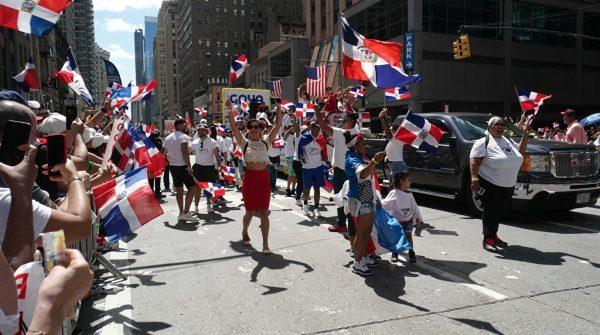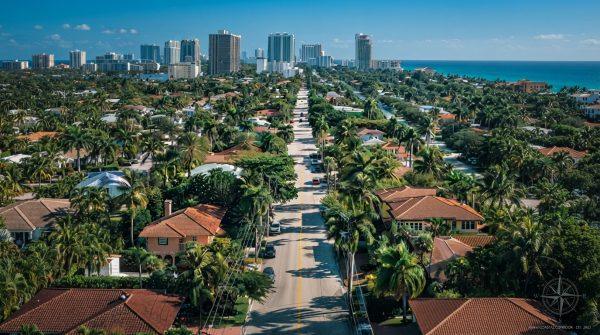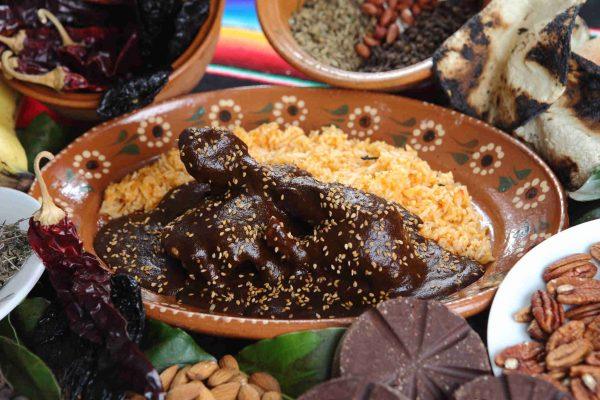
For many bicultural Latinos in the United States, the question of whether to call yourself Hispanic, Latino, both, or neither is more than a bureaucratic checkbox—it’s a reflection of history, politics, and personal identity. While the U.S. Census Bureau treats the two terms as interchangeable, the reality on the ground is far more nuanced. A person from Spain is officially considered Hispanic, but a Brazilian or a Haitian is not—despite their languages being rooted in Latin. This mismatch reveals the deep tensions embedded in these labels, which affect everything from political campaigns to how we see ourselves.
The Geopolitical Birth of 'Latin America'
Contrary to popular belief, the concept of Latin America didn’t emerge organically from the region’s people. Historians trace its popularization to the French Empire under Napoleon III. While Colombian intellectual José María Caicedo may have used the phrase as early as 1856, it was French minister Michel Chevalier who pushed it onto the global stage. During France’s military intervention in Mexico (1861–1867), the term served a strategic purpose: to downplay Spanish colonial heritage and position France as a legitimate heir to Latin culture, creating a counterweight to the expanding Anglo-Saxon influence of the United States.
This linguistic shift reshaped regional identity. Before it, terms like Hispanoamérica (tied directly to Spain) and Iberoamérica (covering the entire Iberian Peninsula) were more common. By promoting “Latin America,” French strategists inserted themselves into the region’s cultural narrative. Over time, especially after the Spanish-American War of 1898, the word “Latino” was adopted by communities across the Americas as a way to distinguish themselves from U.S. hegemony.
From Census Categories to Community Labels
The U.S. government’s approach to classifying this population has shifted over decades. In 1930, the Census Bureau experimented with a “Mexican race” category. It wasn’t until the 1970s that systematic testing around Spanish heritage began, and the term “Latino” was officially added to the 2000 Census to better separate ethnicity from race. Today, there’s ongoing debate about whether the two should be merged into a single question to reflect lived experiences more accurately.
The label “Hispanic” gained institutional momentum in the 1970s as a way to unify Spanish-speaking communities. But by the 1990s, it faced criticism for its colonial ties to Christopher Columbus and Spanish imperialism. In contrast, “Latino” emerged as a more pan-ethnic alternative, capable of including the cultural and linguistic realities of Brazil or Haiti. For many, it better mirrors the complex immigrant dynamics of the modern era.
Latinx, Latine, and the Language Debate
In recent years, new variations have entered the conversation, aiming to break free from the masculine-feminine binary of Spanish. The term “Latinx” has sparked passionate arguments in academic and activist circles. Some see it as a symbol of inclusion for non-binary and Indigenous identities, while many others reject it as unnatural or simply don’t use it. Meanwhile, the neutral suffix “-e” in “Latine” has gained traction in various regions, though it faces pushback from institutions like the Royal Academy of Spanish, which argues these modifications aren’t rooted in widespread public usage.
These debates aren’t just academic—they reflect a broader struggle over who gets to define identity. For a community as diverse as the Latino diaspora, no single label will ever capture every experience. But understanding where these terms come from helps us navigate the choices we make every day, whether we’re filling out a form, introducing ourselves, or celebrating our roots.
For more on how identity shapes community, read our piece on Madrehood: How Movement and Community Help Mothers Rediscover Themselves. And if you’re curious about how music bridges these cultural divides, check out Carlos Vives Brings Hispanic Pride to New York: A Night of Roots and Unity at Radio City.