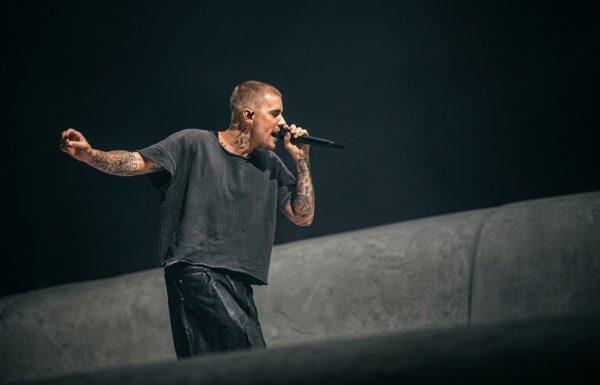
At Coachella 2026, Justin Bieber delivered a headlining set that defied every expectation of a modern pop spectacle. Eschewing elaborate choreography and a massive production, the Canadian artist presented a starkly intimate performance that has become the most debated moment of the festival. With just a microphone, a stage, and a laptop, Bieber turned his slot into a raw, conceptual piece of art, centering his own history as the main event.
A Deliberate Departure from the Machine
What prompted a global superstar to choose such a minimalist path? For many observers, the answer lies in a deliberate step back from the industrial machinery that has defined his career since adolescence. After publicly grappling with mental health challenges and the effects of Ramsay Hunt syndrome, Bieber's return to the spotlight seemed less about conforming to industry perfection and more about personal reconciliation.
The core of his set was the projection of his original, lo-fi YouTube videos—from "Baby" to "Never Say Never"—on the festival's giant screens. He sang live over these tracks, creating a poignant dialogue between his present and past selves. This was far from a simple karaoke session; it was an archival performance, a conscious stripping away of layers of commercial production to return to the music's original, vulnerable essence. In doing so, Bieber reclaimed his narrative, presenting himself not as a polished commodity, but as a human artist in full control of his legacy.
This introspective approach stood in sharp contrast to other highly produced sets at the festival, like Karol G's history-making headline show or the fashion-forward spectacle of Sabrina Carpenter's Dior wardrobe. Bieber offered a 'lo-fi' moment in a hyper-curated environment, capturing attention through sheer authenticity.
Untangling the Legal Narrative
The performance raised an immediate technical question among fans and critics: How could Bieber freely perform songs he reportedly sold to the investment firm Hipgnosis Songs Capital? The confusion stems from a key legal distinction often overlooked in music industry headlines.
The sale of his catalog granted Hipgnosis commercial licensing rights for use in films, television, and streaming platforms. However, it did not strip Bieber of his fundamental right to perform his own work publicly. For live events like Coachella, organizers secure a blanket license that covers the performance of a vast array of songs. Furthermore, U.S. copyright law protects the creator's right to perform their work. Therefore, his minimalist format was a purely aesthetic and personal choice, not a legal limitation.
This legal clarity underscores that Bieber's act was one of agency. He wasn't performing a reduced version of his hits because he had to; he was doing it because he wanted to, reaffirming his ultimate ownership over his artistic voice.
A Verdict of Artistic Courage
While some critics dismissed the set as underprepared, many celebrated it as a brave act of artistic vulnerability. In a festival landscape often defined by scale and surprise guests—like Madonna's surprise duet with Sabrina Carpenter—Bieber's solitary presentation was its own kind of statement. It rejected spectacle in favor of substance, trading bombast for a quiet, powerful connection with the audience and his own journey.
Ultimately, Justin Bieber's Coachella 2026 performance was more than a concert; it was a public act of reclamation and closure. By facing his past directly, without filters, he validated his entire trajectory and reminded the world that an artist's most authentic story is always their own to tell.