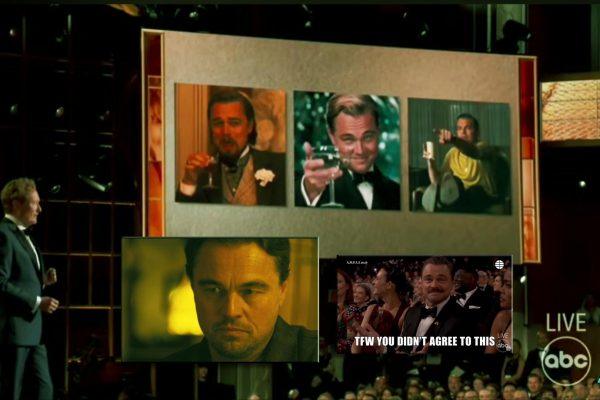
During the 2026 Academy Awards, a moment of levity transcended the Dolby Theatre and ignited the digital world. Host Conan O'Brien, known for his sharp wit, turned the spotlight toward nominee Leonardo DiCaprio and playfully anointed him the undisputed 'king of memes.' What followed was a spontaneous, globally shared reaction that underscored how pop culture moments are born and amplified in the age of social media.
O'Brien took a segment of the broadcast to review DiCaprio's long history of providing the internet with iconic, meme-worthy imagery—from celebratory toasts in The Great Gatsby to intense stares in Django Unchained. He then issued a lighthearted challenge to the global audience watching: to capture a new, real-time reaction from the actor. The camera cut to DiCaprio, who responded with a characteristically awkward smile and a witty remark. Within minutes, that fleeting expression was screenshot, GIF-ed, and shared across X, Instagram, and TikTok, becoming the most talked-about element of the night's digital coverage.
A Digital Legacy Cemented in Real Time
This was not DiCaprio's first foray into viral fame. For over a decade, his filmography has served as a rich source of material for online creators. Data from analytics firms suggests memes featuring the actor have garnered well over 100 million views since the early 2010s, used in contexts ranging from humorous commentary to political satire. The 2026 Oscars moment, however, was unique: it was a live, meta-commentary on his own internet status, orchestrated from the stage of Hollywood's biggest night.
The interaction highlighted a shift in how major ceremonies engage with audiences. The Oscars are no longer just a televised event; they are a source of instantaneous, participatory content. This fusion of broadcast and digital conversation is a space where Latino audiences, often leading trends on platforms like TikTok and Instagram, are key participants. The ability to instantly remix and share a moment from a global stage reflects a contemporary, visual language that resonates across the Americas.
This viral synergy appears to have tangible benefits. Preliminary ratings analysis showed an 18% increase in international viewership for the 2026 ceremony compared to the previous year. Media experts point to the magnetic pull of stars like DiCaprio and the shareability of these unscripted interactions as significant factors in drawing younger, digitally-native audiences to live broadcasts.
More Than a Meme: A Cross-Generational Icon
DiCaprio was at the Oscars for a quintessentially traditional reason: a Best Actor nomination for his role in One Battle After Another, where he competed against peers like Timothée Chalamet and Michael B. Jordan. This duality—being simultaneously honored for high-caliber cinematic work and celebrated as a pillar of internet culture—cements his status as a rare cross-generational icon. He bridges the gap between established film acclaim and the democratized, creative world of digital expression.
The phenomenon speaks to a broader cultural landscape where Latino artists also navigate between mainstream recognition and viral, fan-driven fame. For instance, moments like Feid's emotional onstage moment during a concert can spark immediate waves of concern and support online, while achievements like Rosalía being named Billboard Latin Woman of the Year represent institutional recognition of cultural impact. The lines between the staged event and the organic online reaction are increasingly blurred.
Ultimately, the 'meme king' coronation was a testament to the evolving nature of fame and audience engagement. It demonstrated that in today's media ecosystem, a raised eyebrow or a hesitant smile from a superstar can resonate as powerfully as an acceptance speech, creating a shared, global experience that is instantly fragmented and remade by millions. As awards shows and artists continue to adapt, this interplay between the broadcast and the feed will only become more central to our collective cultural conversations.