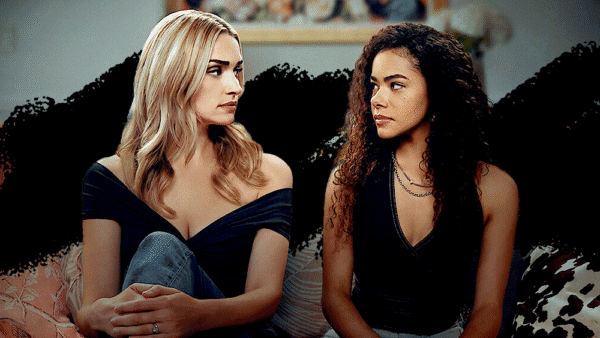
Netflix's Ginny & Georgia presents a familiar American high school landscape, yet one where a significant demographic is conspicuously absent. Despite Latinos constituting a major portion of real U.S. student populations, the show's diverse setting lacks prominent Latino characters. This omission underscores a persistent gap in mainstream media representation, particularly for Afro-Latino identities that are often simplified into monolithic categories.
The Universal Language of Being In-Between
Despite this absence, the emotional core of the series resonates powerfully with bicultural Latino audiences. The protagonist Ginny's experience—feeling "too white for the Black kids and too Black for the white kids"—mirrors a common refrain in mixed Latino households: the sensation of never being "enough" of any one heritage. This nuanced exploration of existing between worlds provides a surprisingly accurate mirror for viewers who navigate similar cultural dualities daily.
Code-switching, a survival skill for many in the diaspora, is depicted with remarkable authenticity. Ginny's subtle shifts in language, tone, and demeanor depending on her environment reflect a reality familiar to anyone who moves between cultural spaces. It's more than fitting in; it's a continuous negotiation of self.
Mental Health and the Weight of Identity
The series earns particular praise for weaving mental health struggles into its narrative fabric. Ginny's battles with anxiety, self-worth, and self-harm are treated not as plot devices but as honest consequences of the internal pressure that comes with juggling multiple identities. For Latino youth, especially those who rarely see their full selves reflected on screen, this portrayal validates often-silenced struggles.
Ginny & Georgia also thoughtfully explores the complicated path to self-love amidst conflicting beauty standards and cultural expectations. The emotional toll of constantly feeling like an outsider is given space to breathe, offering a rare acknowledgment of these complex inner lives.
This focus on internal conflict connects to broader conversations about well-being, similar to discussions sparked by celebrities opening up about their journeys, like when Jennie Garth details personal struggles and reinvention in her new memoir.
A Call for Deeper Stories
The show's resonance despite its representational shortcomings speaks volumes. It highlights a hunger for narratives that fully embrace cultural complexity, rather than offering token gestures. The experience of Afro-Latinos and mixed-heritage individuals, in particular, demands stories that explore intersectionality with depth and care.
Ultimately, Ginny & Georgia succeeds by mapping the emotional terrain of bicultural life—a terrain well-known to Latino communities from México to Colombia and across U.S. diaspora hubs. It proves that certain human experiences transcend specific cultural labels, while simultaneously reminding us how crucial it is to see our specific stories told. The conversation it opens is vital, pointing toward the urgent need for more inclusive storytelling that doesn't just hint at diversity but embodies it fully, much like the genre-defining work of artists such as Rosalía, named Billboard Latin Woman of the Year.
While not a Latino story, the series touches universal nerves on identity, making it a significant, if imperfect, part of the cultural conversation. Its success underscores a simple truth: audiences are ready for more.