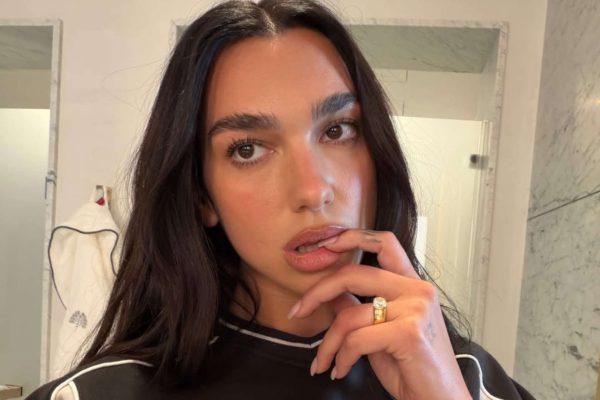
Dua Lipa has taken legal action against Samsung Electronics, filing a $15 million lawsuit in a California federal court. The pop star alleges that the tech giant used a copyrighted photograph of her face on television packaging without her authorization, creating a false impression that she endorses their products.
The image in question was captured backstage at the Austin City Limits festival in 2024. According to the lawsuit, Samsung printed the photo on boxes for its TVs and distributed them across the United States, capitalizing on Lipa's fame without offering any compensation or seeking her consent.
Lipa's legal team claims that the company's response to initial requests to halt the use of her image was "dismissive and insensitive." The singer asserts that Samsung continued to ship the televisions nationwide even after she demanded they stop, leading to the federal complaint filed in the Central District of California.
A Violation of Rights and Reputation
The lawsuit accuses Samsung of violating the federal Lanham Act, which prohibits false endorsement, as well as California's right of publicity law. Lipa's lawyers argue that the company's conduct was "willful and malicious," causing irreparable harm to her personal brand and integrity.
This legal battle comes at a pivotal moment in Lipa's career, as she maintains legitimate partnerships with luxury brands like YSL, Chanel, and Porsche. The unauthorized use of her image, she contends, undermines these official collaborations and misleads consumers into believing she is a Samsung sponsor.
For many in the Latino community, this case resonates deeply. As Spanish-language pop continues to conquer global charts, artists like Lipa—who has collaborated with Latin acts and performed across the Americas—understand the value of controlling one's image. The lawsuit underscores the importance of protecting intellectual property, especially for public figures who build their careers on authenticity and creative control.
While Samsung has yet to issue an official statement, the entertainment and tech industries are watching closely. This case could set a major precedent for how corporations use celebrity likenesses in marketing, particularly as digital and physical media blur the lines of consent.
Lipa's legal action also highlights broader issues of identity and ownership. In an era where homeownership slips away for many Latino families, the fight for fair compensation and respect for personal rights feels especially urgent. The singer's move is a bold stand against corporate overreach, reminding us that no one—regardless of fame—should have their image exploited without permission.
As the case unfolds, it will likely influence how brands approach celebrity endorsements and packaging. For now, Lipa's fans and advocates for artist rights are watching, hoping this lawsuit sends a clear message: your face, your rules.