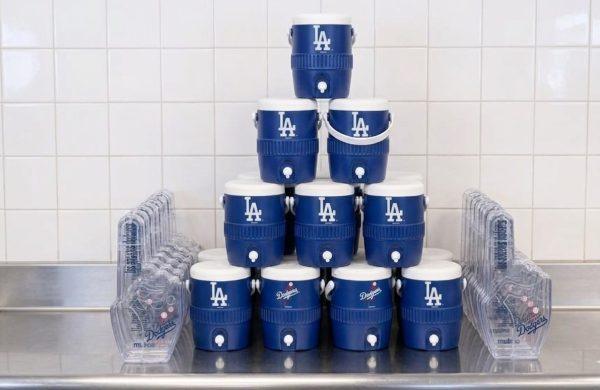
At Dodger Stadium, the love for the team is legendary, but this past weekend, that devotion faced a new test: a nearly $45 plastic cup. During the highly anticipated series against the Texas Rangers, the debut of a new souvenir thermal cup—crafted in the shape of a portable cooler—instantly became the must-have item in the stands. While its clever design sparked a frenzy, the final price tag, soaring above $45 with tax, left a sour taste for many, prompting a larger conversation about the cost of being a fan in 2026.
The Price of a Plastic Cooler
The official sticker price was set at $39.99, but after Los Angeles sales tax, the total easily climbed past $45. For attendees like Adriana Gonzales, who ordered a tequila and Red Bull mix in the container, the final charge was a shock. "I didn't expect to pay that much for a single drink," she told reporters, echoing a sentiment of disbelief heard throughout the stadium concourses. Unlike the Shohei Ohtani commemorative cup launched earlier in the season, which cost a staggering $79.99 but included free refills, this cooler model offered no such perk. It was, purely and simply, a collectible item, leading many to question the stadium's pricing strategy.
Yet, in a striking contradiction, the lines at concession stands told a different story. All night long, fans queued up, wallets in hand, to secure the viral cup. For some, like Eric Huitron, the high cost is just part of the modern baseball experience. "It's the stadium, they're going to make money. Everyone thinks it's worth it, otherwise they wouldn't be standing in line," he stated, with a tone of resignation. The cup's arrival was delayed by logistical issues, which only seemed to heighten its desirability among collectors. Gerald Encininas, another fan at the game, was determined to buy it regardless. "I'll use it at home," he declared. "It's worth it for the experience."
A Broader Trend in Sports and Culture
This phenomenon at Chavez Ravine is not happening in a vacuum. It reflects a wider trend across sports and entertainment where fan loyalty is monetized through premium, limited-edition merchandise. In a year where the Dodgers have made historic investments in their roster, the push to maximize revenue through every aspect of the "fan experience" is palpable. The gap between an item's perceived value as a status symbol and its actual utility, however, is creating noticeable friction.
This dynamic mirrors conversations in other sectors of Latino culture, where the value of an experience or product is constantly negotiated. Just as fans debate a cup's worth, music lovers weigh the cost of concert tickets for stars like Karol G or Rosalía, whose recent honors underscore their massive cultural impact. Similarly, the financial decisions facing Latino households, from planning for retirement in the US to choosing where to spend their golden years, are part of this same calculus of value and identity.
For now, the cooler cup remains the hottest accessory in the Los Angeles stands. But the question lingers: How long can this trend last? As prices for stadium souvenirs reach levels many consider unsustainable, financial fatigue may eventually cool the crowd's enthusiasm. The Dodgers organization, much like the artists and athletes we celebrate, operates within a complex economy of desire. They are betting that the emotional connection to the team—and to the shared experience of game day—will continue to outweigh the sting of the receipt. Only the 2026 season will tell if that bet pays off.