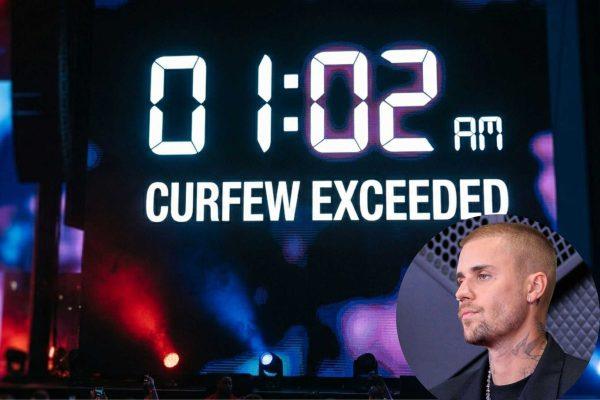
The Coachella Valley Music and Arts Festival is renowned for its star-studded lineups and vibrant atmosphere, but it also operates under the strict municipal regulations of its host city, Indio, California. This year, the festival's second weekend saw significant financial penalties after two high-profile performances ran past the mandated 1:00 AM curfew. Authorities have imposed a total fine of $44,000, a direct consequence of the scheduling overruns.
The fines stem from specific incidents involving electronic music producer Anyma and global pop icon Justin Bieber. Anyma's set extended nine minutes beyond the cutoff, resulting in a $24,000 penalty. Justin Bieber's performance, which concluded just two minutes late, added another $20,000 to the festival's bill. These sanctions are not discretionary; they are automatic, triggered by any minute past the established closing time as part of Indio's noise and traffic mitigation strategy for nearby residential communities.
Balancing Artistic Expression with Community Agreements
For festival organizers, managing the creative impulses of artists against the backdrop of local law is a perennial logistical challenge. The curfew is a core component of the community coexistence agreement that allows an event of Coachella's scale to operate in Indio. While those extra minutes on stage can feel like a gift to devoted fans, they represent a tangible breach of contract with the city. The brevity of Bieber's delay, in particular, highlights how strictly these rules are enforced, proving that no overrun is too small to avoid financial consequence.
A key question now circulating in industry circles is who ultimately bears the cost. Will Coachella's organizers absorb the $44,000, or do artist contracts include clauses that transfer liability for such scheduling negligences to the performers themselves? This incident puts the fine print of performance agreements under the microscope, as festivals worldwide grapple with similar balancing acts.
This isn't the first time Coachella's logistics have made headlines. Readers may recall the buzz around Madonna's surprise appearance with Sabrina Carpenter earlier this year, or the historic moment when Karol G became the first Latina artist to secure a top billing. Each event adds layers of complexity to the festival's operations.
Where the Fine Money Goes
Far from being a punitive measure with opaque outcomes, the revenue from these fines has a direct and positive impact on the Indio community. The $44,000 will be channeled into the city's general fund, specifically earmarked to bolster services that experience increased strain during the massive festival. This includes emergency response teams, security personnel, fire department operations, and public infrastructure maintenance.
For local residents, these fines are often seen as a form of compensatory justice. Hosting hundreds of thousands of visitors inevitably leads to logistical chaos, increased wear on public resources, and community disruption. The financial penalties help offset those burdens, ensuring that the city's taxpayers aren't left solely responsible for the costs associated with the global event in their backyard.
In a way, Justin Bieber's two-minute encore will contribute to improved public services in Indio. The episode serves as a stark reminder that even the most glamorous international festivals are deeply intertwined with the practical governance and quality of life in their host cities. It underscores a reality where artistic spectacle and municipal responsibility must coexist.
The story also connects to the broader narrative of Latin talent shaping Coachella's legacy. From Karol G's headline-making set to the fashion statements that define the scene, as seen in Sabrina Carpenter's influential Dior wardrobe, the festival continues to be a key platform. The local community, including families with deep roots in the area like Jenna Ortega's, experiences both the cultural benefits and the practical challenges of this annual convergence.
Ultimately, the fines against Coachella are a matter of contractual and civic accountability. They highlight the intricate framework that allows such a massive cultural event to function, ensuring that while the music may temporarily stop, the community's needs continue to be met long after the final note fades.