FC Barcelona finds itself at a pivotal moment. The club's recent exit from the Champions League has accelerated plans for a profound transformation. Sporting director Deco and manager Hansi Flick are now mapping out a future that requires difficult but necessary goodbyes to several established stars by 2026.
The strategy is clear: reduce a burdensome wage bill, move on from players whose physical peak may be behind them, and create space for the next generation. This reset, while emotionally challenging for the Culés faithful, is seen as essential for the club to regain its elite status in European football.
The Heavyweights: Lewandowski and De Jong
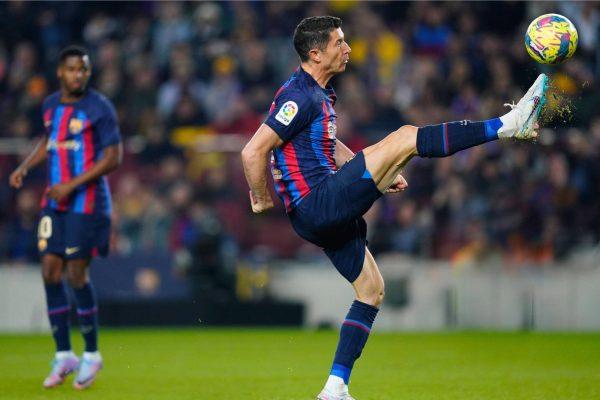
At the top of the departure list is Robert Lewandowski. The Polish striker, who arrived as a prolific goal-scoring guarantee, is entering the final phase of his contract, which expires in June 2026. Despite his continued importance, his age and massive salary make a renewal unlikely. A move to a league like MLS is increasingly plausible, allowing Barça to free up crucial financial resources.
A similar financial imperative surrounds Frenkie de Jong. The Dutch midfielder's sublime technique is not in question, but his market value and high wages position him as a prime candidate for a major sale. Transferring de Jong would provide significant funds to rebalance the club's accounts and facilitate new signings, marking the end of an era for one of the squad's most talented creators.
Injury Concerns and Tactical Misfits
The overhaul extends beyond financials to matters of reliability and fit. Defender Andreas Christensen, hampered by persistent injury problems, is another likely exit. A recent serious knee injury has convinced the technical staff to seek more durable options for the backline, prioritizing consistency over Christensen's undeniable quality when fit.
Meanwhile, the experiment with Marcus Rashford appears to be concluding. Barcelona is not expected to trigger the expensive purchase option in his loan deal from Manchester United. The English forward has struggled to adapt to the tactical demands of Flick's system, and the club would rather invest those funds elsewhere or promote from within.
This focus on youth and sustainability echoes a broader cultural shift, not unlike the financial planning many in our community undertake for major life goals. Just as families navigate retirement planning, Barça is making tough budgetary choices for its long-term health.
Making Room for the Future
The final name in this pivotal group is Marc Casadó. The young midfielder, once heralded as a prospect, has failed to earn the coaching staff's trust and is confined to a marginal role. For the sake of his own career development, a permanent move away from Camp Nou is the most sensible path forward.
This collective exodus is more than a simple roster cleanup; it's a statement of intent. Barcelona is signaling a return to its roots of economic prudence and faith in its famed La Masia academy. The painful farewells to beloved players are the calculated price for a future built on athletic freshness and financial sustainability.
As the club turns the page, the focus will shift to new faces and a renewed project. This period of transition mirrors the dynamic evolution seen across other fields, from the powerful stories of Latina athletes to the ever-changing landscape of Latin music, where icons like Rosalía continue to redefine success. For Barça, the goal is to once again define what it means to be at the pinnacle of world football.